How I built a brand-to-demand engine at Autodesk
$50M+ in influenced pipeline l 300+ qualified sales opportunities l 28% YoY lift in brand awareness
At Autodesk, I built and operationalised a brand-to-demand engine across APAC, connecting brand, thought leadership, and market engagement directly to pipeline and revenue outcomes.
This was a structured growth model designed to connect authority, engagement, and commercial performance across markets, buying groups, and campaign motions.

THE PROBLEM
When I joined Autodesk Construction Cloud, Autodesk was still viewed primarily as a design software company, not a serious construction technology player.
In APAC, this created a clear challenge. Global campaigns were not landing effectively — messaging was product-led, built for mature markets, and lacked the regional nuance needed to resonate across APAC’s varying levels of digital maturity.
Content existed, but it wasn’t functioning as part of a connected commercial system. Brand, field activity, and pipeline generation were not yet aligned strongly enough to create sustained market momentum.
At the same time, competitors were operating in a similar way — product-led, with limited localised thought leadership.
This created an opportunity to establish a more credible, regionally grounded brand presence that translated directly into pipeline.
THE SHIFT
I moved the approach away from global, product-led messaging toward insight-led, regionally grounded programmes tied directly to pipeline and market authority.
The objective was not volume. It was to build a repeatable model that would:
establish Autodesk as a credible voice in APAC construction
connect brand investment to pipeline outcomes
scale across markets and buying groups
THE SYSTEM
I built this as a repeatable brand-to-demand operating model, not a one-off campaign — designed to align brand investment directly to pipeline generation, sales priorities, and market expansion across APAC.
At its core, the system worked as a connected loop:
Brand builds authority
→ Authority drives engagement
→ Engagement supports pipeline
→ Pipeline drives growth
This model was designed to scale across markets and buying groups, while allowing for country-level adaptation to ensure local relevance.
1. Authority
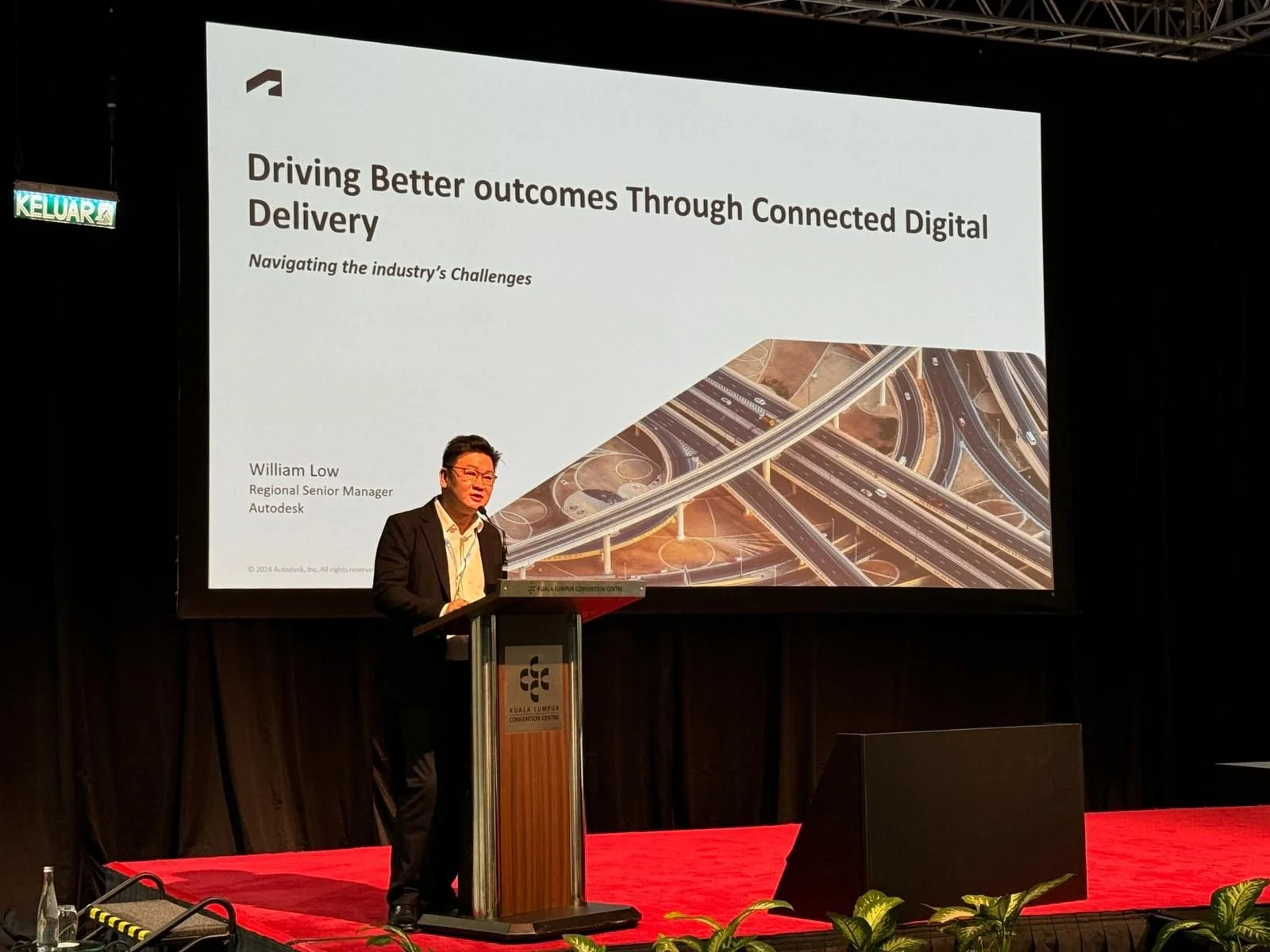
I established market credibility through structured thought leadership aligned to how buying groups actually think and buy.
Narratives were mapped to specific audiences:
C-suite: macro trends, resilience, transformation
Influencers: managing change and digital transformation in local context
End users: practical workflows and operational simplicity
I aligned the right voices to each layer:
industry strategy leaders for macro perspective
regional leaders for local relevance
technical experts for implementation depth
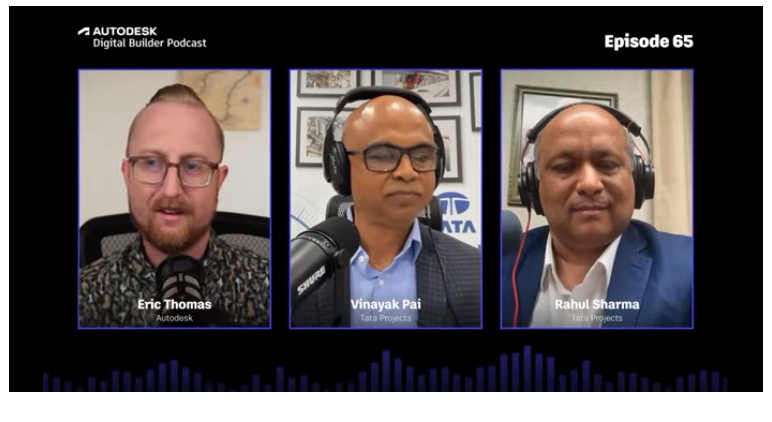
I also embedded a strong Voice of Customer (VoC) layer into all programmes.
Customer perspectives were not treated as supporting assets. They were built into the narrative itself, ensuring positioning was grounded in real outcomes and proof.
This was reinforced through partnerships with government bodies, universities, and industry associations — strengthening Autodesk’s credibility in-market.
2. Amplification
I translated authority into visible market presence through:
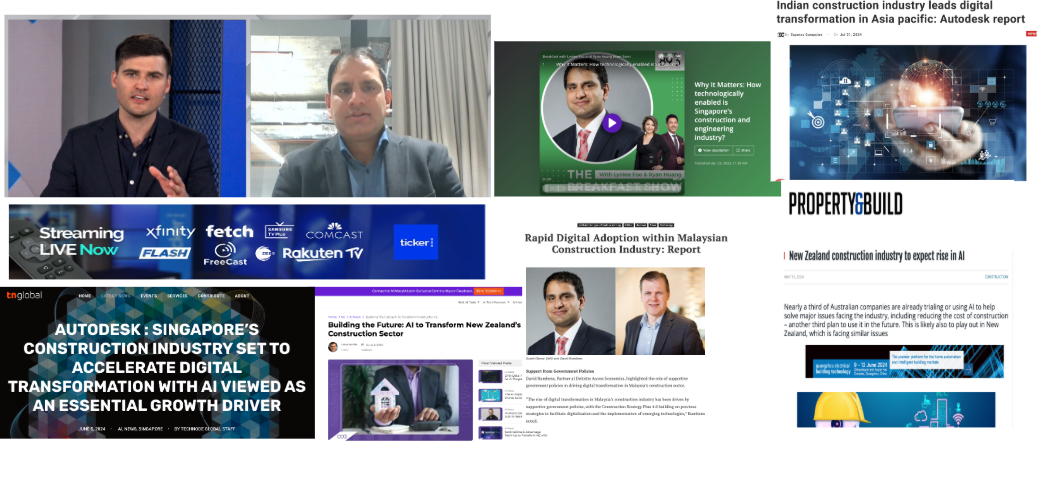
country-level PR and media
industry partnerships and endorsements
co-marketing with customers and stakeholders
owned campaign hubs and distribution channels
This ensured Autodesk’s narrative was not just defined, but consistently seen and reinforced across the market.
3. Engagement
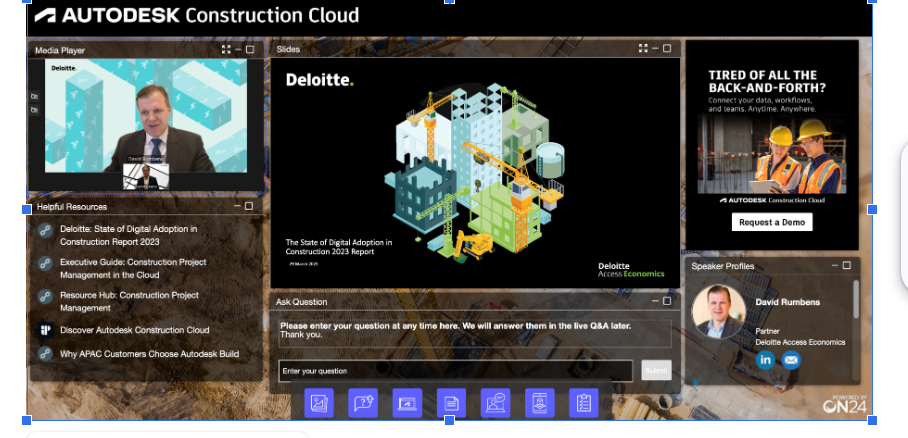
I activated the narrative through a mix of programmes designed to engage buying groups at the right depth:
webinars and virtual programmes
executive roundtables
regional roadshows
flagship event integrations
Each format served a role:
large-scale programmes drove reach and demand capture
targeted engagements influenced senior buying groups
regional activations ensured local relevance in Tier 1 markets (ANZ, Singapore, India)
The principle was simple: define a regional narrative, then tailor it locally so Autodesk showed up as a partner, not just a global vendor.

4. Conversion
This model was designed to support revenue generation, not just engagement.
I aligned brand and thought leadership programmes to:
priority sales plays
campaign motions
acquisition, expansion, and lifecycle goals
This required close alignment across marketing, field, sales, BDRs, and Customer Success.
Key elements included:
sales enablement tied to campaign narratives
stakeholder-led content supporting deal conversations
VoC embedded into programmes to de-risk decisions
content supporting both new business and customer growth
This was not a handoff model. It was a connected system where brand programmes actively supported pipeline movement.
The Impact
$50M+ influenced pipeline
300+ qualified opportunities
multi-million pipeline contribution across campaigns
28% YoY brand growth
12x uplift in ACV / pipeline ROI
faster deal cycles and improved conversion